Remodeling Solutions: Revitalize Your Home Via Expert Remodeling Solutions
Home remodeling offers homeowners a chance to improve their living spaces significantly. It encompasses numerous projects, from kitchen upgrades to bathroom makeovers. Such transformations not only boost aesthetics but also boost functionality and property value. However, the process requires careful consideration of design, budget, and professional assistance. As homeowners evaluate their options, they must assess the benefits against potential challenges that may emerge during renovations. What factors should they focus on to attain a successful outcome?
Comprehending the Benefits of Home Remodeling
Remodeling your home provides many benefits that can greatly increase a property's worth and usability. By modernizing old areas, homeowners can create a more cozy and delightful living environment. Enhanced spatial design can bring about better space utilization, making homes more suitable for day-to-day tasks.
In addition to aesthetics, remodeling projects can also enhance energy efficiency through the installation of contemporary appliances, better insulation, and energy-efficient windows. This not only brings about lower utility bills but also supports a more sustainable living environment.
Additionally, enhancing curb appeal through exterior renovations can appeal to potential buyers and raise market value. Homeowners may also see that customized updates address their specific needs, promoting a sense of satisfaction and pride in their living spaces. Ultimately, the advantages of home remodeling reach beyond immediate improvements, positively impacting long-term lifestyle and property investment.
Trending Renovation Projects to Contemplate
Property owners often explore various remodeling projects to enhance their living spaces. Among the most common options are kitchen renovations and improvements, bathroom transformations, and the creation of appealing outdoor living spaces. Each of these projects offers unique benefits that can considerably elevate both functionality and aesthetics.
Kitchen Enhancements and New Developments
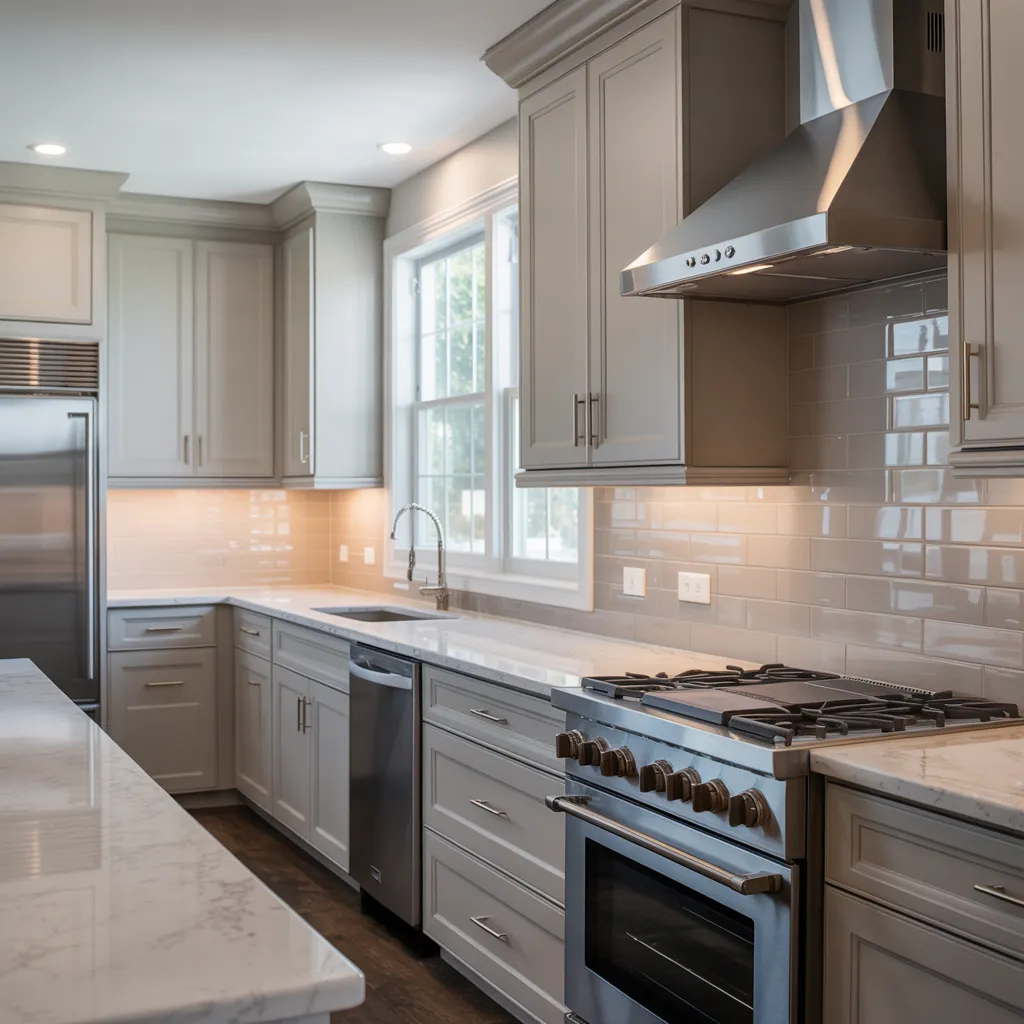
Kitchens often serve as the heart of a home, making improvements and advancements in this space a top priority for many. Homeowners often contemplate open-concept layouts to boost flow and functionality. Modernizing appliances with energy-efficient models not only lowers utility costs but also encourages sustainability. Additionally, incorporating smart technology, such as touchless faucets and programmable ovens, brings convenience and sophistication. Countertop materials like quartz and granite provide durability and aesthetic appeal, while custom cabinetry maximizes storage solutions. Furthermore, incorporating innovative lighting, such as pendant lights and under-cabinet fixtures, can enhance the ambiance. Lastly, integrating eco-friendly elements, like reclaimed see information on this wood or recycled materials, aligns with contemporary design trends and environmental consciousness, ensuring a kitchen that is both stylish and functional.
Bathroom Transformation Ideas
Although a kitchen could be the heart of a home, the bathroom frequently serves as a private sanctuary, making it a prime candidate for a makeover. Homeowners often consider different remodeling projects to improve both functionality and aesthetics. One common idea is to install a contemporary soaking tub or a spacious walk-in shower, offering a spa-like experience. Updating fixtures, such as faucets and lighting, can also make a substantial impact. Furthermore, incorporating natural materials like stone or wood can produce a warm atmosphere. Color schemes play a essential role; soft, neutral tones often evoke serenity. Ultimately, maximizing storage with stylish cabinetry or built-in shelves can help maintain a clutter-free environment, improving the overall appeal of this private space.
Outdoor Living Spaces
Exterior living environments have become more sought-after as homeowners aim to extend their living areas beyond the limitations of their interiors. These spaces deliver a seamless transition between indoor and outdoor environments, enabling enhanced relaxation and entertainment. Common remodeling projects include the addition of pergolas, patios, and decks, which can be customized with relaxing seating options, fire pits, and outdoor kitchens. Homeowners often consider landscaping improvements, such as gardens and water features, to create a peaceful atmosphere. Lighting solutions, like string lights or built-in fixtures, further amplify the ambiance for evening gatherings. In the end, outdoor living spaces not only enhance property value but also offer a versatile area for leisure, making them a beneficial investment for many homeowners.
The Importance of Hiring Professional Services
When homeowners embark on remodeling projects, the skillset of professional services can meaningfully shape the outcome. Expert contractors bring specific expertise and knowledge that ensure projects are performed efficiently and to a high standard. Their experience permits them to anticipate potential obstacles and navigate them skillfully, reducing the likelihood of costly mistakes.
Additionally, professional services often have access to premium materials and tools, which can enhance the durability and aesthetic appeal of the renovation. They are also well-versed in local building codes and regulations, ensuring compliance that protects homeowners from legal problems.
Additionally, hiring professionals can save homeowners valuable time while reducing stress, as they take care of project management and coordination with subcontractors. This permits homeowners the freedom to concentrate on their daily lives while the renovation progresses smoothly. In the end, investing in professional remodeling services can result in a superior and more successful transformation of the living space.
Financial Planning for Your Remodeling Project
How should homeowners approach budgeting for their remodeling endeavors? Initially, they need to determine the project's scope, distinguishing between necessary improvements and optional additions. Creating a well-defined plan assists in prioritizing expenditures. Subsequently, homeowners should investigate and collect quotes from contractors, making certain to include labor, materials, and possible unforeseen expenses. It's wise to set aside an extra 10-20% of the overall budget for contingencies, since unexpected problems frequently occur during renovations.
Homeowners must also think about financing options if necessary, such as personal lending products or HELOCs, to make certain they have sufficient funds. Evaluating various contractors and their estimates can deliver better pricing and value. In conclusion, regularly assessing the budget throughout the project helps maintain financial control and permits adjustments as needed. By applying these recommendations, homeowners can establish a realistic budget that encourages a successful remodeling experience.
Exploring Design Choices and Trends
In the realm of home remodeling, recognizing current design trends is vital for making well-informed choices. Homeowners should also consider how to smoothly integrate their personal style into these trends to create a cohesive look. Balancing contemporary aesthetics with individual preferences can enhance both functionality and visual appeal.
Contemporary Design Trends
As property owners aim to individualize their homes, contemporary design patterns demonstrate a shift towards sustainability and functionality. Environmentally conscious materials, including reclaimed wood and bamboo, are becoming more popular, reflecting a growing awareness of environmental impact. Minimalist aesthetics are also on the rise, focusing on clean lines and organized areas that encourage a sense of calm. Multi-functional furniture, including convertible sofas and expandable dining tables, addresses the need for adaptability in smaller homes. Furthermore, biophilic design, which incorporates natural elements, is gaining momentum as people seek to connect with nature indoors. Color palettes are shifting towards earthy tones, creating warm and inviting atmospheres. These patterns jointly stress creating spaces that are not only beautiful but also practical and sustainable.
Individual Style Integration
When exploring the countless design selections and trends, homeowners often discover themselves at a crossroads between personal preferences and current aesthetics. This integration process necessitates careful consideration of their preferences, lifestyle, and the overall theme of the home. Professionals recommend creating a mood board that showcases individual tastes, incorporating colors, textures, and materials that connect on a personal level. Blending contemporary trends with unique elements can create a harmonious space that feels both modern and true to the homeowner's identity. Moreover, homeowners should be open to expert advice, as professionals can provide insights on how to combine timeless features with trendy designs. Finally, the goal is to achieve a cohesive look that showcases personal style while remaining relevant in contemporary market.
Managing the Remodeling Work
Successfully managing the remodeling process requires careful planning and clear communication among all stakeholders involved. A properly outlined timeline and budget are vital to manage the project and prevent unexpected delays or costs. Homeowners should create a complete scope of work, outlining clear goals and expectations for the renovation. Regular meetings with contractors and designers promote transparency and provide for timely adjustments to the plan.
Documentation, including contracts and permits, must be meticulously maintained to ensure compliance and protect all parties' interests. Homeowners ought to also promptly handle any challenges that surface, cultivating a cooperative atmosphere where answers can be determined rapidly. Effective project management copyrights on balancing the property owners' aspirations with the expertise of professionals, forming a harmonious workflow. By emphasizing structured planning and transparent communication, the renovation process can progress smoothly, leading to a revitalized living area that meets the targeted style and operational requirements.

Maintaining High Standards and Sustainability in Home Improvements
Ensuring quality and sustainability in renovations involves a careful approach that prioritizes building materials, methods, and long-term impacts. Homeowners should choose eco-friendly materials, such as reclaimed wood or low-VOC paints, which contribute to healthier indoor environments while decreasing ecological footprints. Furthermore, employing energy-efficient appliances and systems can substantially reduce utility costs and improve comfort.
Partnering with professional contractors who focus on sustainable practices is critical. They commonly implement techniques that lower waste and boost the overall durability of the renovation. Consistent maintenance also plays a crucial role in maintaining the quality and longevity of renovations, making sure that homes remain practical and appealing over time.
Additionally, complying with local building codes and sustainability certifications can steer homeowners toward mindful choices. By prioritizing these components, homeowners can achieve beautiful, functional spaces while supporting environmental stewardship and guaranteeing the lasting quality of their renovations.
Questions and Answers
How Long Does a Typical Remodeling Project Take to Complete?
An average remodeling project can take any time from a few weeks to several months, based on the scope and complexity of the work. Elements like design changes, permits, and material availability also impact the timeline.
What Do I Do if I Go Beyond My Budget?
Should a budget be overrun, one should reassess priorities, find discretionary spending to reduce, and look into financing alternatives. Transparent discussion with contractors about spending restrictions might produce adjusted plans or different approaches.
Can I Continue Living in My House During the Renovation Process?
Living in your home during renovation work is achievable, though it varies based on the scale of the project. Careful planning and consistent contractor communication can limit interruptions and preserve safety throughout the renovation period.
Which Permits Do You Need for Remodeling Projects?
Normally, property owners need construction permits, electrical permits, and plumbing permits, and occasionally zoning permits for renovation work. Requirements vary by location, so it's essential to consult your local building department before commencing any remodeling work.
What's the Best Way to Find Dependable Contractors Nearby?
To find reliable contractors, it's advisable to ask for recommendations from family members or acquaintances, examine online reviews, review local directories, and check credentials through licensing boards. Moreover, getting multiple quotes can help assess quality and competitiveness.